
About Kiyunga Social Service Centre
An indigenous not-for-profit, youth community-driven and advocacy organisation working with adolescents, young people and communities in Uganda.
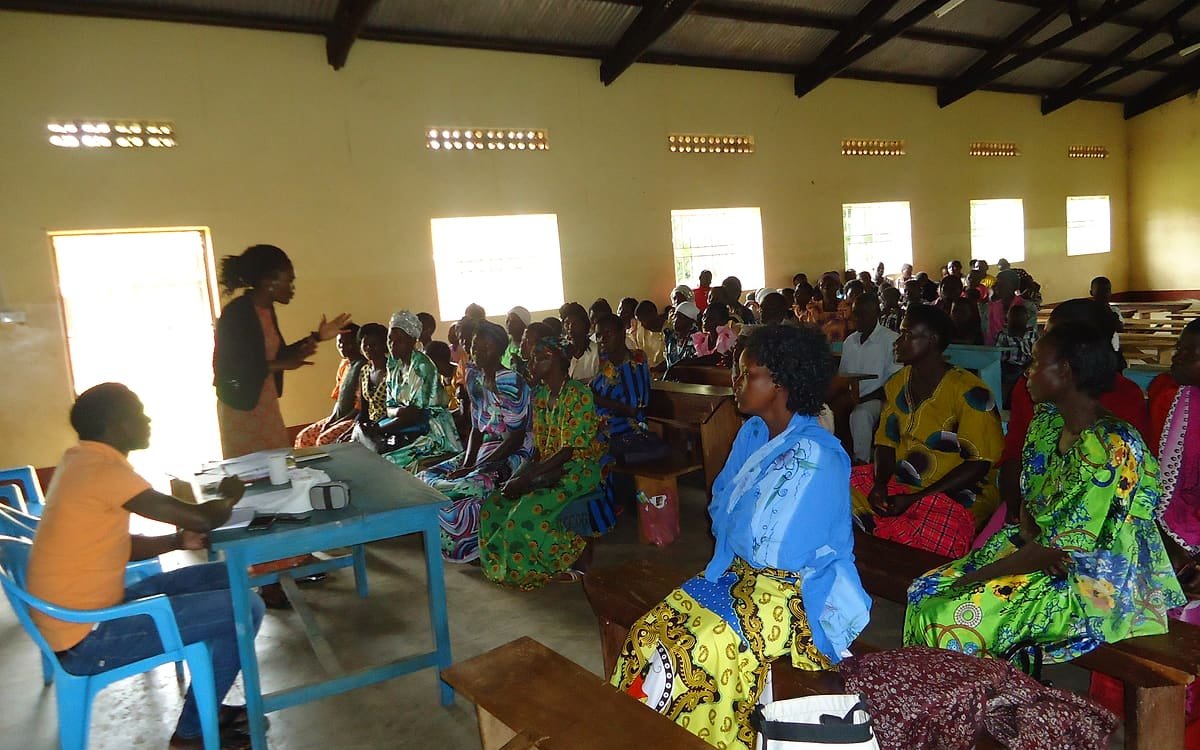
Working with citizens to influence what happens to young people
Action for Youth Development Uganda, known as Kiyunga Social Service Centre, is an indigenous not-for-profit, youth community-driven and advocacy organisation that focuses on adolescents and young people. We work with citizens and community-based organisations to influence issues, policies, young people’s challenges and development processes at grassroots, local and national levels.
KSSC was founded in 2010 and became operational in 2014. Our head office is in Jinja District.
KSSC is a non-political entity and operates in accordance with the laws of Uganda.
How the work has grown
KSSC influences pro-development programmes and policies, and works to empower adolescent girls, youth and young women to co-exist peacefully and to work towards the sustainable development of their communities.
Over the years the organisation has implemented projects in education, health, ending poverty, human rights and social justice, youth economic strengthening, gender equality, Girls Talk programming, ending child marriage campaigns, climate justice, environmental conservation and biodiversity, and Sexual and Reproductive Health and Rights — all as part of a sustainability strategy for the socio-economic wellbeing of poor and marginalised women and young people.
KSSC works with girls and young women in rural and refugee communities so that girls are free to reach their full potential, through education, advocacy, lobbying and influencing policies to end child marriage. We engage young people in community dialogues aimed at ensuring that government programmes are alert to the needs of girls and young women, and we advocate for increased budget allocation for youth-friendly Sexual and Reproductive Health and Rights services for adolescent girls and young women.
In the districts where we work, KSSC advocates for youth issues and holds leaders to account by monitoring and tracking the progress of government programmes. We work closely with sub-county and district leaders on Girls Talk programming aimed at keeping the girl child in school and ending child marriage and gender-based violence in communities. We have experience running gender-based violence interventions at grassroots level in fish landing sites, areas around national parks and refugee settlement communities.
KSSC works towards the 2030 gender equality goal as a commitment to end gender inequality among girls and young women through education and girl retention programming, and towards Uganda’s family planning commitments, particularly reducing unmet need and implementing social and behaviour change campaigns with a special focus on young people and women.
Vision and mission
Eliminating illiteracy from the community through educating orphans and vulnerable children, and promoting development in their households as well as the entire community.
We exist to promote sustainability for the integral development of orphans and vulnerable children, their households and immediate communities.
Creating Space for Young People to Lead
KSSC aims to create space for adolescents and young people to reshape, redirect and uphold the values of social transformative leadership through advocacy, training, capacity building, networking and research.
We ideate, create and ignite action for girls’ and boys’ education, youth and gender equity by focusing on changing attitudes and harmful gender norms, through programming and campaigns that reach families, communities, companies, government and the general public. We build voices, amplify agency and strengthen life skills so that young people can foster inclusive learning environments. We also build and train champions and mentors who raise awareness of the links between education, health, climate change and social justice.
Our Core Values
These seven values are set out in our strategic workplan and shape how we work with communities, partners and each other.
Transparency
Being open about our decisions, our work and our use of resources.
Active participation
Ensuring young people and communities take part in what affects them.
Openness
Listening, sharing and remaining accessible to the people we serve.
Hard work
Committing the effort that meaningful community change requires.
Integrity
Doing what we say we will do, and doing it honestly.
Creativity
Finding locally-adapted answers to the problems in front of us.
Innovation
Testing new approaches and learning from what works.
Our Strategic Direction
To advocate, promote and strengthen the participation of adolescents and young people in human rights and decision-making processes, and to create space for them to take part actively and meaningfully in the development processes of their country.
The seven strategic goals
Human rights and accountabilityProtect and promote human rights, social accountability and transparency among vulnerable young people, and advocate for policies that protect their wellbeing.
Girls’ rights and potentialEnd child marriages and teenage pregnancies by amplifying the voices of girls at risk, defending girls’ rights to health and education, and creating opportunities for them to reach their full potential.
Sexuality education and SRHRProvide comprehensive sexuality education services and promote Sexual and Reproductive Health and Rights for young people.
Socio-economic skillsPromote socio-economic skills through entrepreneurship training and financial literacy knowledge.
Gender and climate justicePromote gender and climate change justice through awareness creation and the promotion of green-based technologies.
Coordination and joint effortImprove KSSC’s coordination, communication and joint efforts among youth organisations and stakeholders.
Institutional strengthStrengthen KSSC as an institution at office level, nationally and internationally.
Increased impact
Help adolescents and young people achieve and sustain higher measures of success.
Influence
Effectively advocate and influence policy that transforms the lives of adolescents and young people.
Reach
Expand our presence to meet more of the need across the region.
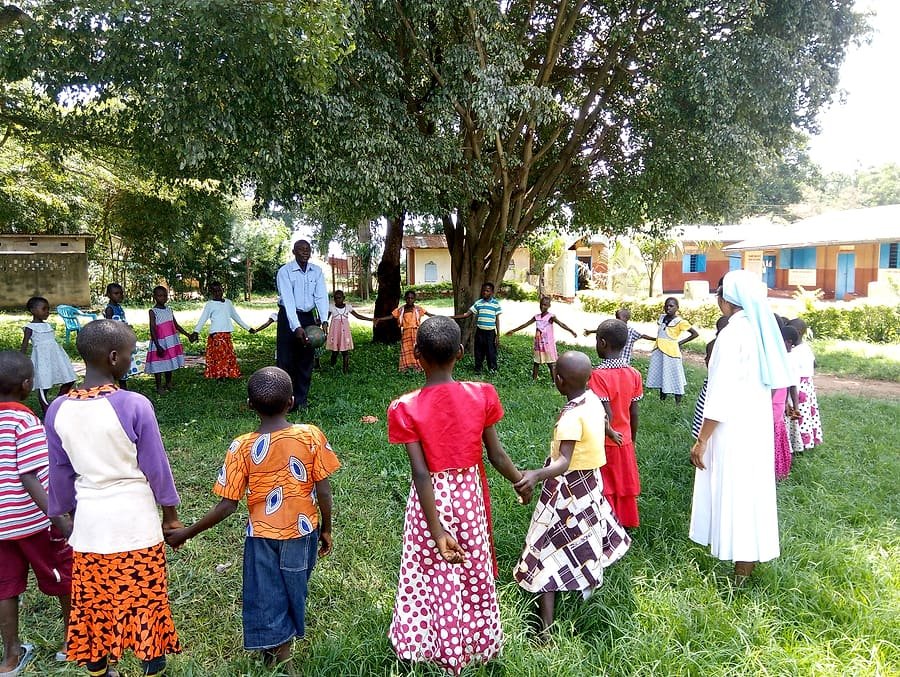
Beneficiaries
The primary beneficiaries of KSSC are adolescent girls and boys, young people, parents, religious leaders, communities and Ugandan youth from all backgrounds, including those who are underserved and marginalised, and young people at every level of leadership and non-leadership.
- Adolescent girls and boys
- Young people
- Women
- Parents
- Communities
- Religious leaders
- Youth organisations and youth networks
- Vulnerable and underserved groups
- Young people working in media
- Academics, government bodies and civil society
Stakeholders & Collaborations
KSSC creates locally-adapted programming for adolescents, families and communities, and works with a wide range of partners to do it.
Community and faith
- Educators and schools
- Girls, boys and youth
- Religious leaders
- Community organisations
Government and civil society
- Legislators and policy makers
- Sub-county and district leaders
- Government institutions
- Civil society organisations
Partners and enterprise
- Youth-led organisations
- Development partners
- Social ventures and businesses
- Non-profits working globally
Organisational Structure
KSSC relies on a streamlined administrative structure built around three main elements: the Annual General Assembly, the Executive Board and the Secretariat.
-
Annual General AssemblyThe supreme governing body, made up of all registered members. It meets at least once a year and elects the Executive Board.
-
Executive Board CommitteeElected democratically by the Assembly. It provides strategic direction, approves budgets and programmes, and ensures the Secretariat adheres to the constitution.
-
Executive DirectorHeads the Secretariat and leads day-to-day management.
-
- Programme officers
- Financial manager
- Field officers
- Community mobilisers
- Administrative assistants
- Volunteers and interns
KSSC adjusts its staffing where necessary during the 2022–2027 period.
The Annual General Assembly
The Assembly considers, adopts and discusses the organisation’s direction and elects the Executive Board as set out in the constitution. Emergency meetings may be called as pressing matters arise, with fourteen days’ notice to members. The Secretariat organises the Assembly.
The Executive Board
The Board is responsible for strategic direction, policy oversight and financial sustainability. It approves annual budgets, reviews financial reports, ensures annual audits are conducted and monitors organisational performance. Board officers include a Chairperson, Vice-Chairperson, Secretary and Treasurer, supported by members representing programmes, fundraising, youth, women and the wider community.
The Secretariat
Headed by the Executive Director and made up of staff and volunteers, the Secretariat coordinates the day-to-day running of programmes and specific projects.
Board and staff profiles
Names, roles and photographs of board members and staff will be published here once the office has confirmed the details it wishes to make public.
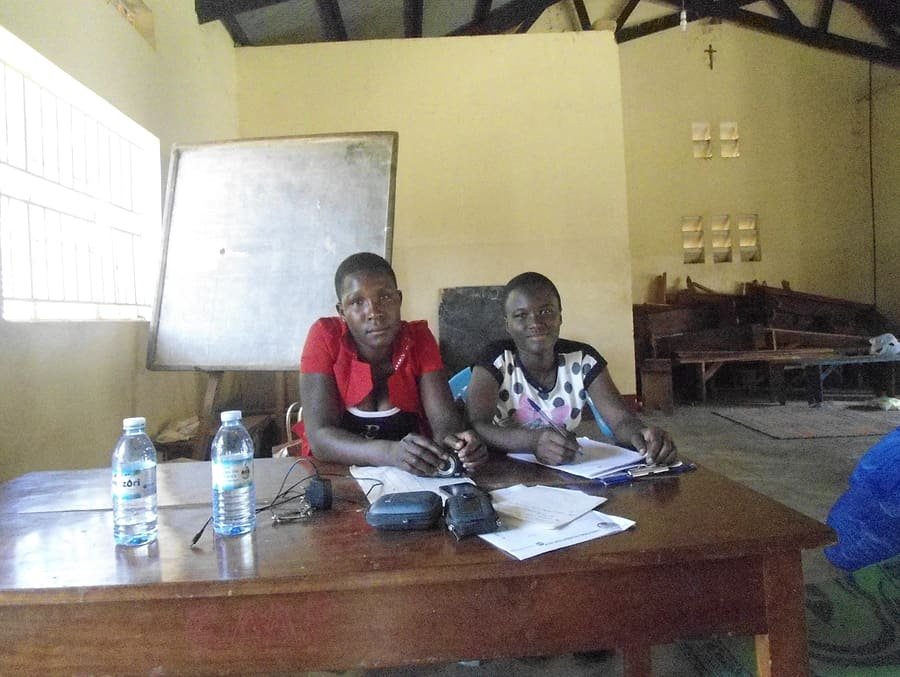
Monitoring, evaluation, accountability and learning
KSSC is developing a comprehensive monitoring, evaluation and learning framework for the 2022–2027 strategy. The framework guides how the strategy is monitored and evaluated, and its performance indicators are tracked throughout the five years of implementation. Achievements and lessons learned are documented as the strategy is delivered.
The organisation operates on a non-profit basis. Funds are obtained through grants, donations and partnerships, proper financial records are maintained, and annual audits are conducted to ensure accountability.
Board members work within a code of conduct and conflict of interest policy, and are expected to be familiar with the organisation’s child protection, financial management, procurement, staff conduct, and anti-fraud and corruption policies.
Interested in working with Kiyunga Social Service Centre?
We welcome partners, funders, volunteers and collaborators who share this direction.